On Friday. The inspiration for old time radio every Thursday which runs to this day on Observation Deck. Orson Welles. The first old time radio show I listened to on Kinja Golden Horn. The number of radio posts on Observation Deck right now stands at 198.
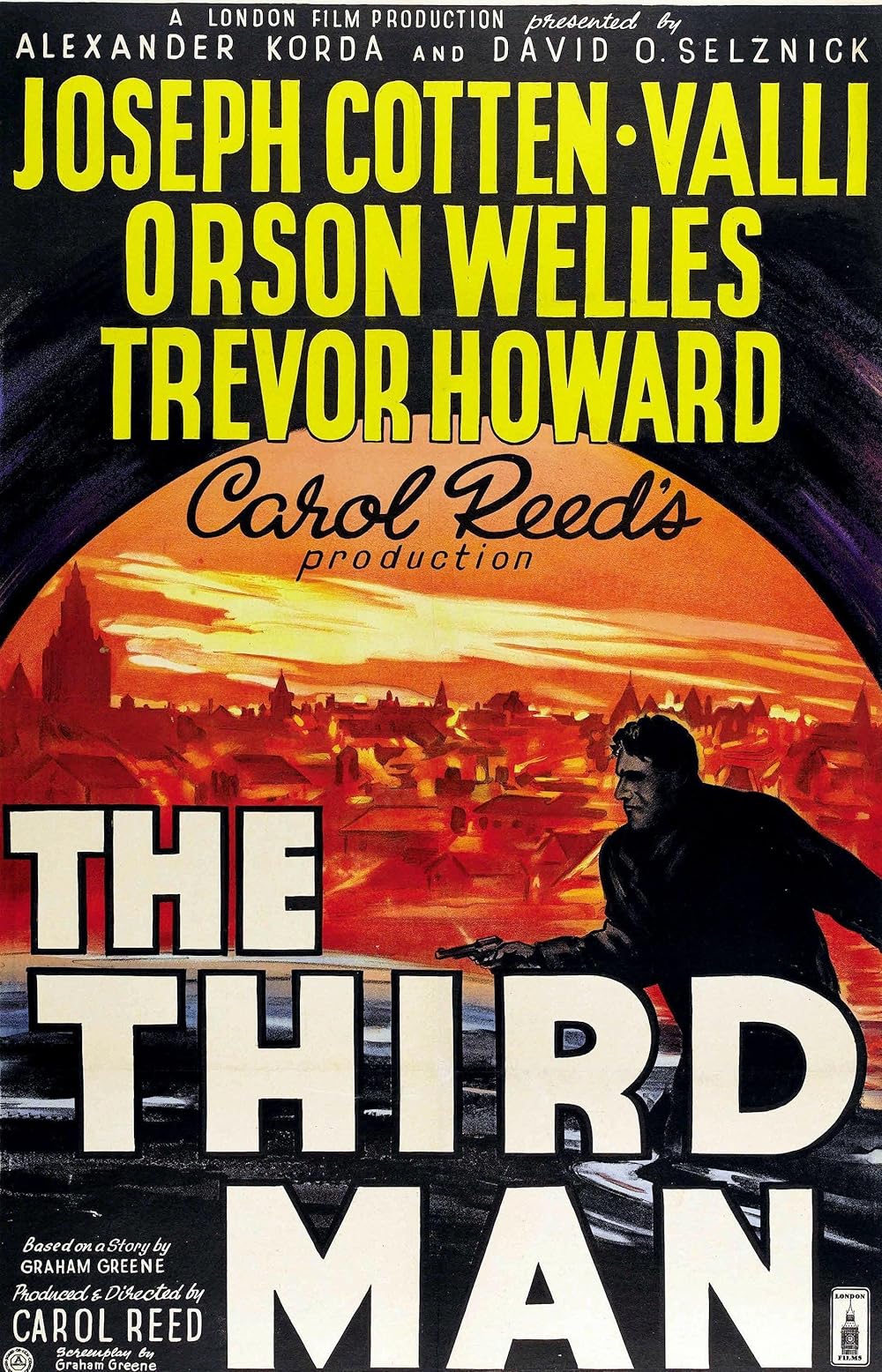
Directed by Carol Reed. Orson Welles, Joseph Cotten, Trevor Howard. Blu-ray playing now on the big new TV. I already loved this movie. Every time it is a tilted joy. Graham Greene story and screenplay. The ending kills me. Robert Krasker cinematography. Known for its heavy use of the Dutch Angle. It's practically all Dutch Angle. A classic thriller. Almost the perfect thriller.
IMDb2 boards are here. This was the sig line of an infamous poster on the old IMDb message boards. Touch of Evil with Orson Welles and Marlene Dietrich.
Season four, episode seven. Another favorite Magnum. Softball team. Dick Shawn, Eddie Deezen, Peter Isacksen. Orson Welles as the voice of Robin Masters. From Nov. 17, 1983.
In 1924, film producer Thomas H. Ince died during or after a trip aboard the yacht of William Randolph Hearst. Also aboard were Marion Davies, Charlie Chaplin, and critic Louella Parsons. The rumor is that Hearst shot Ince by accident, and the bullet was meant for Chaplin. Orson Welles claimed to know the real story.
Film scholar Jonathan Rosenbaum, editor of the 1992 book This is Orson Welles — a record of interviews Peter Bogdanovich conducted with Orson Welles — began his April 2002 review of The Cat’s Meow with this exchange about Citizen Kane (1941):
OW: In the original script we had a scene based on a notorious thing Hearst had done, which I still cannot repeat for publication. And I cut it out because I thought it hurt the film and wasn’t in keeping with Kane’s character. If I’d kept it in, I would have had no trouble with Hearst. He wouldn’t have dared admit it was him. PB: Did you shoot the scene? OW: No, I didn’t. I decided against it. If I’d kept it in, I would have bought silence for myself forever.
“The incident Welles alluded to in this exchange is the subject of The Cat’s Meow, directed by Bogdanovich and adapted by Steven Peros from his own play,” Rosenbaum wrote. “Bogdanovich may see Welles as the inspiration for his film, but I have no idea where Peros got his facts.”
Her principal source was John Houseman, script supervisor for cowriter Herman Mankiewicz, and it seems safe to conclude, even without her prodding, that some version of the story must have cropped up in Mankiewicz’s first draft of the script, which Welles subsequently edited and added to. According to Kael, the only trace of the subplot left in the script is a speech made by Susan Alexander, who was loosely based on Davies, to the reporter Thompson about Kane: “Look, if you’re smart, you’ll get in touch with Raymond. He’s the butler. You’ll learn a lot from him. He knows where all the bodies are buried.” Kael writes, “It’s an odd, cryptic speech. In the first draft, Raymond literally knew where the bodies were buried: Mankiewicz had dished up a nasty version of the scandal sometimes referred to as the Strange Death of Thomas Ince.”
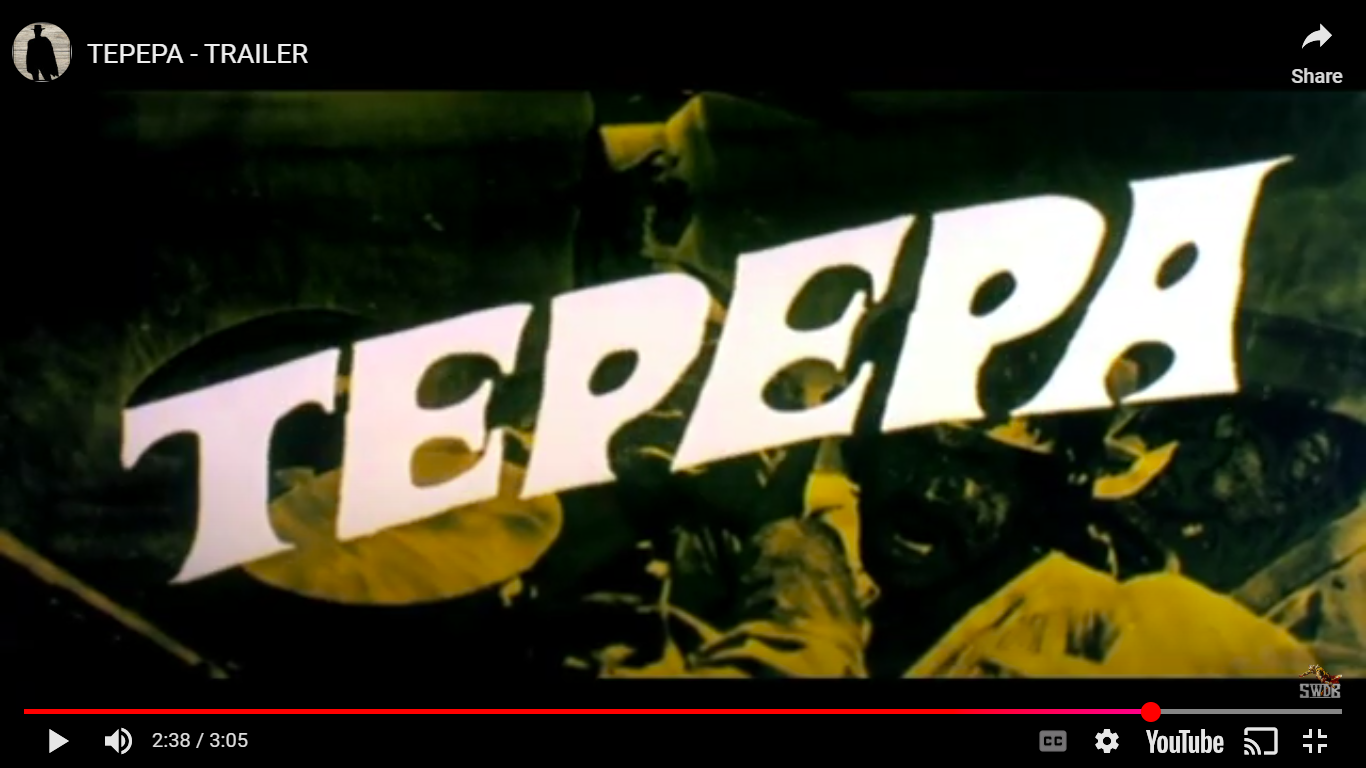
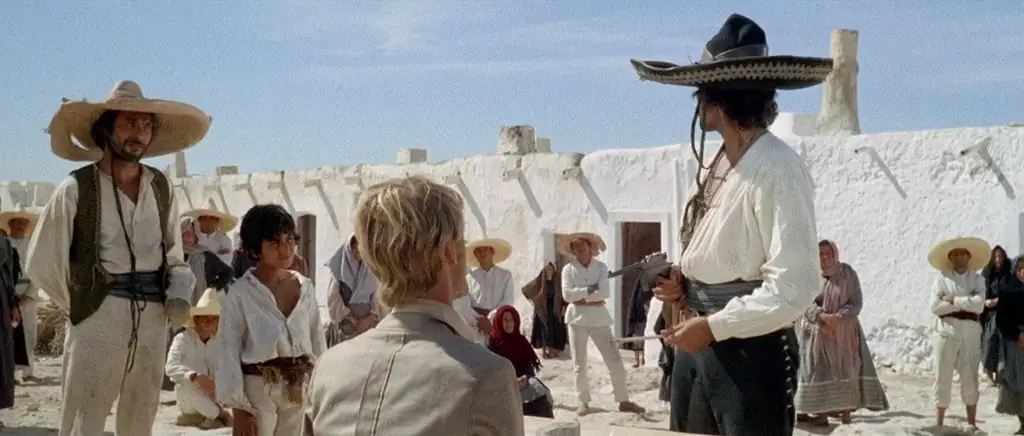
Orson Welles spaghetti western. Another title from Alex Cox. This was one of the better ones I watched when I was first looking for spaghettis. Also acclaimed. Welles behaved less than admirably on set, allegedly. Found on Youtube.
This was the story I was looking for all along. I heard this from Orson Welles himself. Magician famous for dying on stage attempting the bullet catch trick.


.jpg/500px-The_Lady_from_Shanghai_(1947_poster).jpg)